
Its seems forever ago we conceptualised, organised, shot and edited a beautifully crafted, polished promo video for the excellent REVGEAR S5 Boxing Glove. We were lucky enough to have my friend and often training partner Juan Cervantes around to shoot with. The ruggedly handsome ONE FC fighter made a great focal point for the video and stills. Then we choreographed the sequences and put in some live sparring for authenticity. Both of us came out the boxing ring with a couple of new bruises to the collection.
But what made the S5 ALL Rounder boxing glove become the top selling glove for REVGEAR year on year, was not the video, not the ads and not the excellent message that led it “The All Rounder, one glove that does it all” .
No, This was more than just another boxing glove, it was a product concept based on market knowledge, time in the sport and genuine customer need.
Align your message with the both the product & the market
So the truly interesting part wasn’t the video. It was the fact that the product actually made sense to the people it was aimed at..
This wasn’t some “new and improved” nonsense, it wasn’t a reinvention of a wheel. It came from spending real time in the sports the product was used in, understanding the market, and knowing exactly what many people needed — not what sounded good in a corporate brainstorm or market think tank. In an industry constantly trying to reinvent products into something they are not, I just recognised the fact many people, for a bunch of reasons, didn’t want to buy separate gloves for multiple applications, therefore they needed a hybrid glove that, whilst not being the best option for any of them, was a very good option for ALL of them. The S5 All Rounder started with that simple concept. Make something people actually, make the product the way many people are using it!
That’s the bit so many brands miss. And that leads me on to my next observation.
Good Marketing Doesn’t Fix Weak Products.
People love to talk about messaging, funnels, USP, hooks, angles. The marketing and brand world is full of corporate bullshit. Here’s the reality, none of that really matters if the product is at best average.
“If you want to succeed stop making average products” Alex Hormozzi.
If you’re trying to sell something built on exaggerated or imaginary benefits, you’re not marketing — you’re borrowing time. And customers always collect.They may buy the BS first time, maybe even second but in no time at all they realise the brand is selling them a line and the product ain’t delivering.
I’ve spent 20 years+ in the Combat Sports industry. Every few years a new brand comes along full of top athlete endorsements, sponsor deals and flashy presentation, funded by VC or private equity, clearly losing a fortune in years one, two…three… Initially they buy themselves into the market, lots of fanfare, lots of song and dance. Most of them survive less than five years. Why?
Well, customers remember when something doesn’t do what you said it would, doesn’t deliver anything more than the competition do. They then watch your well paid athlete use a different brand in the gym and then they don’t just forget and move on — they attach deceit with your name. That’s why entry level brands are forgiven, they never promised anything more than a good price. RDX were an entry level low cost Ebay brand, they were at one time (and in some quarters still are) synonymous with poor quality, but nowadays it looks good and is inoffensively cheap, so customers forgive them. That doesn’t always happen though.
You don’t get many chances after the first couple.
Growth Hacker Marketing…
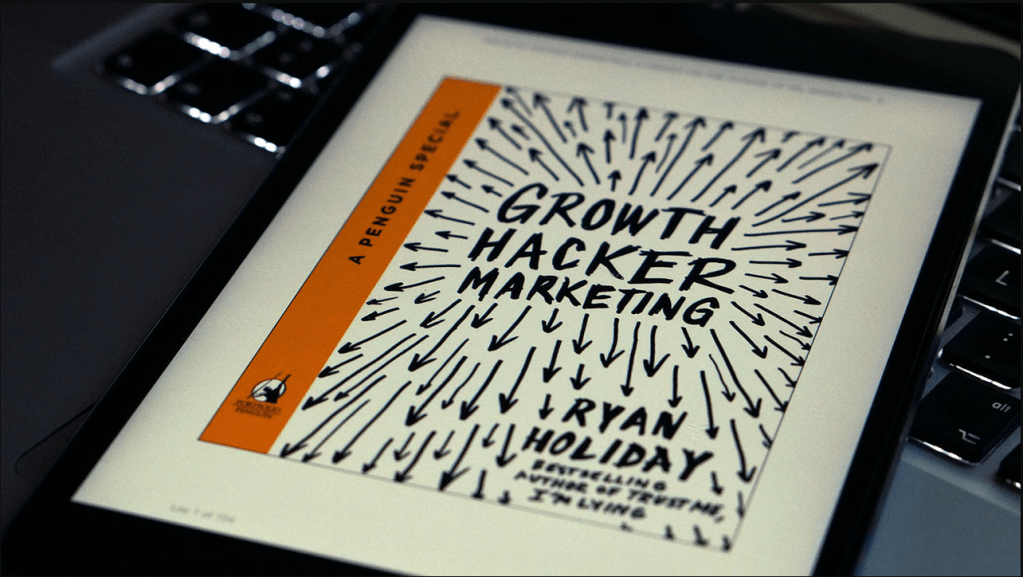
A few years ago I read the excellent book, Growth Hacker Marketing by Ryan Holiday (check it out!) He argues effective marketing starts 100% with the product and is built into the framework of the product. Brands like Apple understood this from the get go.
Ryan’s book is full of observations and insights, but to a truly good marketeer, they should already understand that building really effective marketing starts with building an effective product.
When companies seek to sell products on paper thin or even completely imagined benefits, they do something which eventually hurts them.
An Overpromise Is a Tax You Pay Later
Restaurant/Food businesses are notorious for this, think of the adjectives around food on overpriced restaurant menu’s. Selling a burger and chips as some gourmet item by mentioning that “6oz Prime Beef pattie, with triple seasoned wedges and house special home made slaw” is fine but if you doubled the price of an average bar meal burger and chips with some coleslaw and it’s not the best thing the customer ate for a month then you can bet they aren’t going to be so impressed.
Product brands do this it too — just with shinier packaging, higher pricing and far less forgiving audiences. You may revisit the restaurant again cos it had great atmosphere, decent if over priced food and might be near enough your home to revisit. But you aren’t buying from brand X again if it overpromises and under delivers.
“Game-changing.”
“Revolutionary.”
“Next level.”
Most of it is sheer bullshit, Is it Game Changing? Revolutionary? Next Level?
Every time someone buys into a hyped marketing message and then gets an average product, maybe even a decent product but not what the messaging suggested, then trust is being eroded— not just in that product, but in the whole brand. You may one day make a revolutionary, game changing or next level product but no one will care because you also made a bunch of average ones, but said they were great.
Strong Products Make Marketing Simple.
Here’s a simple truth, when the product truly delivers, marketing just needs to introduce the product to the right audience. They will do a lot of the work afterwards for you. People love to talk about word of mouth. Reviews, UGC content, referral traffic….It’s all modern day word of mouth.
I’ll never forget a guy trying to sell me a brand of shorts he reported improved your kicking, I said “Wow, I’ll just stop all that practice on the bag and pads and buy these shorts then”. It put me off the brand for good!
You just show the product, talk about who it benefits and why, don’t stretch the truth, show why it’s worth it’s price and guess what, if it’s targeted correctly then it will likely do just fine!
That was the S5.
From start to finish, it was simple to market because it did what it was supposed to do. The needs were clear. The product matched them. The message didn’t have to fight reality.
No gimmicks. it worked.
The Only Thing That Actually Scales
If you want something that lasts, stop obsessing over marketing tactics and build something solid.
Something based on real use.
Real insight.
Real demand.
Then say exactly what it does — no more, no less.
Because in the end, marketing isn’t what builds trust. The product does.

