Sponsorship in sports brand marketing is a strategic tool that bridges businesses with audiences through high-profile athletes, teams, and events. Whether it’s combat sports like MMA and boxing, motorsports like Formula 1 or MOTOGP, or global icons in football such as Messi or Ronaldo, the right sponsorship can elevate a brand’s visibility, credibility, and influence. However, sponsorship is far more than just financial backing—it’s about aligning brand values with the right personalities and sports to create a meaningful connection with fans.
In the combat sports sector I have worked in for many years, the ‘S’ Word as I call it, is a constant at every turn, from the lower rank fighters taking the first steps in the pro leagues right through to the worlds biggest names in the UFC, IBJJF or ONE FC, sponsorship is part of the culture.
I’ve written a fair bit about athlete sponsorship in combat sports, check out my recent interview with JITS Magazine here.
This article is not about how the interactions happen or how to obtain sponsorship, its all about how its used by various different businesses and about how it can benefit the brands that use it.
Finding the Right Athlete: More Than Just Popularity
One of the biggest mistakes a brand can make in sponsorship marketing is choosing an athlete purely based on fame rather than fit. As highlighted by industry experts, the ethos of a brand must align with the personality and values of the athlete it endorses.
For instance, Revgear, who I work extensively with, takes a selective approach in choosing its sponsored athletes. Their motto, “Pro gear for pro fighters,” means they must seek athletes who embody the same type of professionalism, discipline, and clean-cut image the brand itself wishes to exemplify, rather than those who have more flashy personas.
For example a fighter like Sean O’Malley, known for his colourful style and loud personality, wouldn’t fit Revgear’s brand persona even though O’Malley is an excellent and popular fighter, whereas someone like Henry Cejudo, an Olympian and disciplined, respected figure in the sport, would be a perfect fit as an ambassador.
At lower levels of competition, sponsorships are often initiated through personal connections or strong relationships with the athlete’s coaches, but in essence, the same rules apply as with higher level deals. There needs to be a clear fit between the ethos of the brand and that of the athlete, a synergy that makes followers of the athlete want to check out the brand sponsoring them and most importantly, transfer some of the popularity of that athlete over to the brand.
Football’s Biggest Sponsorship Deal: Ronaldo & Nike

Few sponsorship deals highlight the power of brand-athlete partnerships like Cristiano Ronaldo’s lifetime contract with Nike. Since their collaboration began in 2003, Ronaldo has become one of the most marketable athletes in sports history.
By 2016, he had already generated over 2.25 billion social interactions through his online presence, with Nike branding appearing in hundreds of posts. That year alone, these interactions generated an estimated $474 million in media value for Nike, meaning the brand essentially made back its $1 billion investment in just two years.
Ronaldo’s case demonstrates how sponsorship marketing overlaps with influencer and referral marketing. His posts not only promote Nike products but seamlessly integrate the brand into his lifestyle, making it feel organic rather than forced.
Formula 1 Sponsorships: Prestige and Innovation
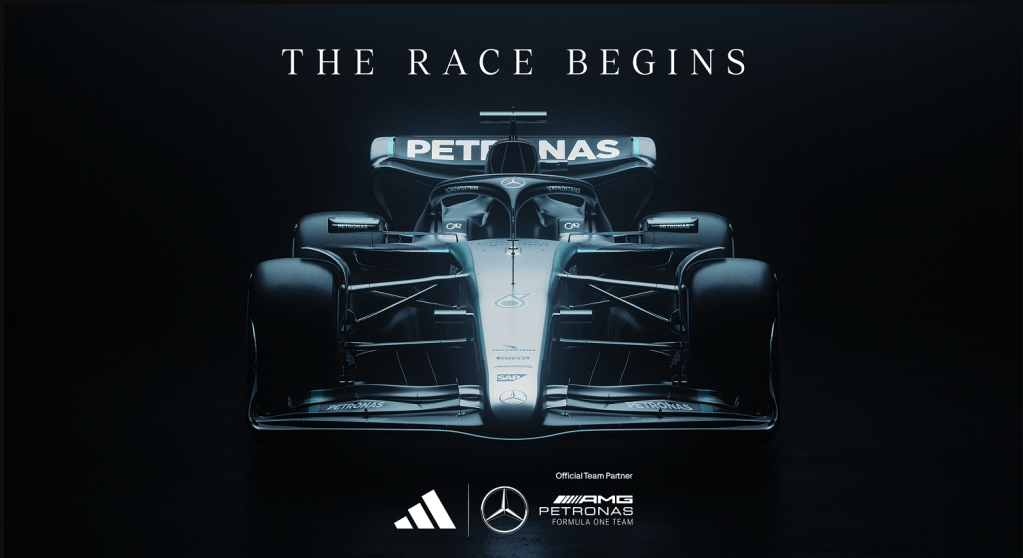
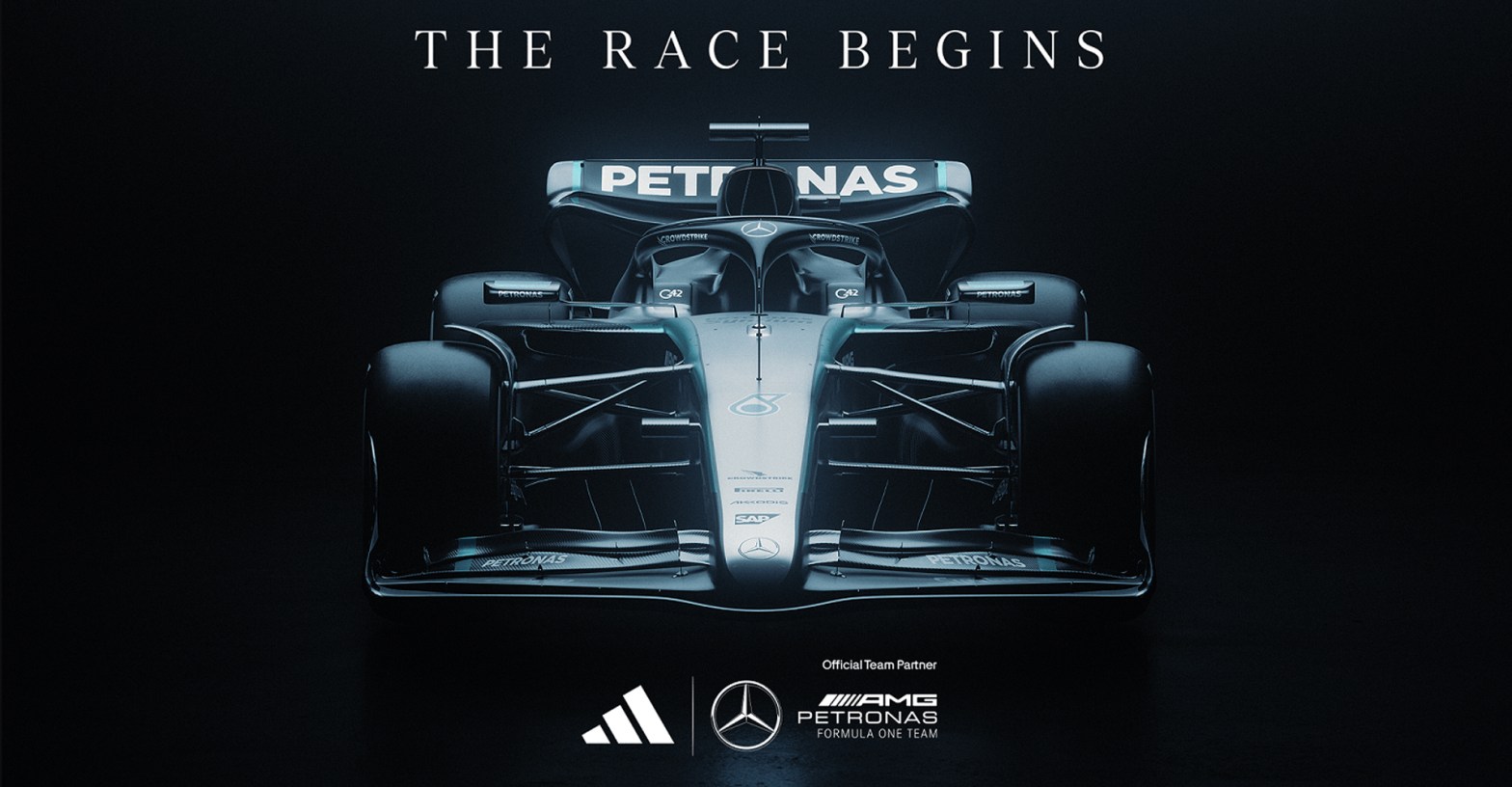
Sponsorships in Formula 1 go beyond traditional advertising; they represent alignment with innovation, performance, and technological excellence. Leading brands such as Mercedes-Benz, Heineken, and Pirelli invest heavily in F1 sponsorships to enhance their prestige and connect with high-income, tech-savvy consumers.
Mercedes-AMG Petronas’ partnership with Mercedes-Benz is a prime example of how a brand can extend its values of luxury and high performance through motorsport. Similarly, Audi’s acquisition of the Sauber F1 team underscores its long-term commitment to technological excellence and sustainability within motorsports.
Beyond automotive brands, technology companies like Amazon Web Services (AWS) have also found value in F1 sponsorship. AWS provides cloud computing and big data analytics that enhance race strategies, fan engagement, and real-time data integration during broadcasts. This collaboration not only benefits the sport but also strengthens AWS’s reputation as a leader in cutting-edge technology.
What are the lessons we can learn from these massive brands mentioned making what are huge investments in sponsorship fees within one of the worlds most expensive sports? That Alignment is everything, not only are the viewers and fanbase of the sport important to the sponsors but what the sport represents and how they can leverage the association.
The Bigger Picture: Sponsorships as a Marketing Strategy
For brands looking to establish themselves in the market, strategic sponsorships offer a unique way to increase visibility, build trust, and enhance their reputation. However, the key to success lies in selecting partnerships that align with a company’s values and target audience.
Whether it’s working with a rising MMA star, signing a global football icon, or associating with a prestigious motorsport team, sponsorship is a powerful marketing tool—but only when it is done right.
By carefully selecting the right partnerships, brands can create meaningful connections with fans and also, as seen in F1 can go beyond that and create a statement within their industry, one that creates an aura of success attracting further attention in the business world leading to higher profile clients, more valuable clients.
 The Anarchist Entrepreneur